
Finding Falmouth Residents From a Starting Point
Pick your starting point first. A name and an address open different doors in Falmouth. Choosing the wrong one wastes a trip. An address, or a suspected owner, points to the Town of Falmouth property roll. Questions about a certificate, an election record, or a business certificate belong with the Town Clerk instead. Recorded land documents sit at the Barnstable Registry of Deeds. Court results stay with whichever Trial Court clerk handled the case.
Family history usually starts elsewhere. The library's printed directories come first, then newspapers, yearbooks, census records, and deeds. Every record carries its own date and purpose. A match is a lead, not a verdict. Compare it against another source before you trust it.
That is why the Falmouth residents directory works as a sequence rather than one database. Write down the exact spelling each record uses. Note the date too. Two entries with the same name are not automatically one person. Check the parcel or street against a second official index. Owner data proves a property connection, but it never lists every current occupant. The strongest result aligns across a dated address, a name variant, and the custodian's own index at the same time.
- Use an address, owner name, or parcel identifier in Falmouth WebPro and save the parcel, situs, and book/page reference.
- Check the Barnstable Registry by grantor or grantee name, then read the instrument and legal description rather than relying on an address result alone.
- For a submitted identity, use the state voter-status form only with the required name, full birth date, and residential ZIP.
- For an earlier household, consult the library's year-specific directories, Street Lists, newspapers, or yearbooks alongside census years.
- Ask the Town Clerk or the office that created a record for a specific existing item when the public portal has no result.
Falmouth Offices Behind Resident Records
Three custodians handle most present-day Falmouth residents directory questions. Assessing links parcels to owner names, values, sale references, and physical property data. The Registry preserves recorded title instruments for all of Barnstable County. The Town Clerk keeps vital, election, licensing, and town records in one place. Courts and state agencies maintain their own files. So an office name matters as much as a person's name when you follow a result. To scan a block or an entire road, use the Falmouth street directory address sequence.
Barnstable Registry of Deeds
3195 Main Street
Barnstable, MA 02630
Falmouth Town Clerk
59 Town Hall Square
Falmouth, MA 02540
508-495-7360
Falmouth WebPro Property Roll Fields
Falmouth Assessing WebPro takes you from a known street or owner name straight to the town's parcel record. The FY2026 data updates once a year. Values are dated January 1, 2025, with new construction counted through June 30, 2025. A single result can surface a parcel, street location, owner name, building description, assessment data, sale reference, land-use code, and book/page. Search broad owner prefixes carefully. Trusts and entities often hide inside the results. When a question requires the mailing field, the detail card or the Assessing office is the right follow-up.
| WebPro field | Useful Falmouth search | What it helps establish |
|---|---|---|
| Owner | Prefix-style name search | Recorded owner connection |
| Street name and number | Street-wide or single-address search | Parcel location and nearby entries |
| Parcel | Assessor account identifier | A stable key for GIS and record cards |
| Book and page | Recorded reference shown in results | Starting point for Registry verification |
| Sale date and price | Range fields and sortable results | When a recorded transfer merits review |
The WebPro search screen shows the town's owner, parcel, and street controls.
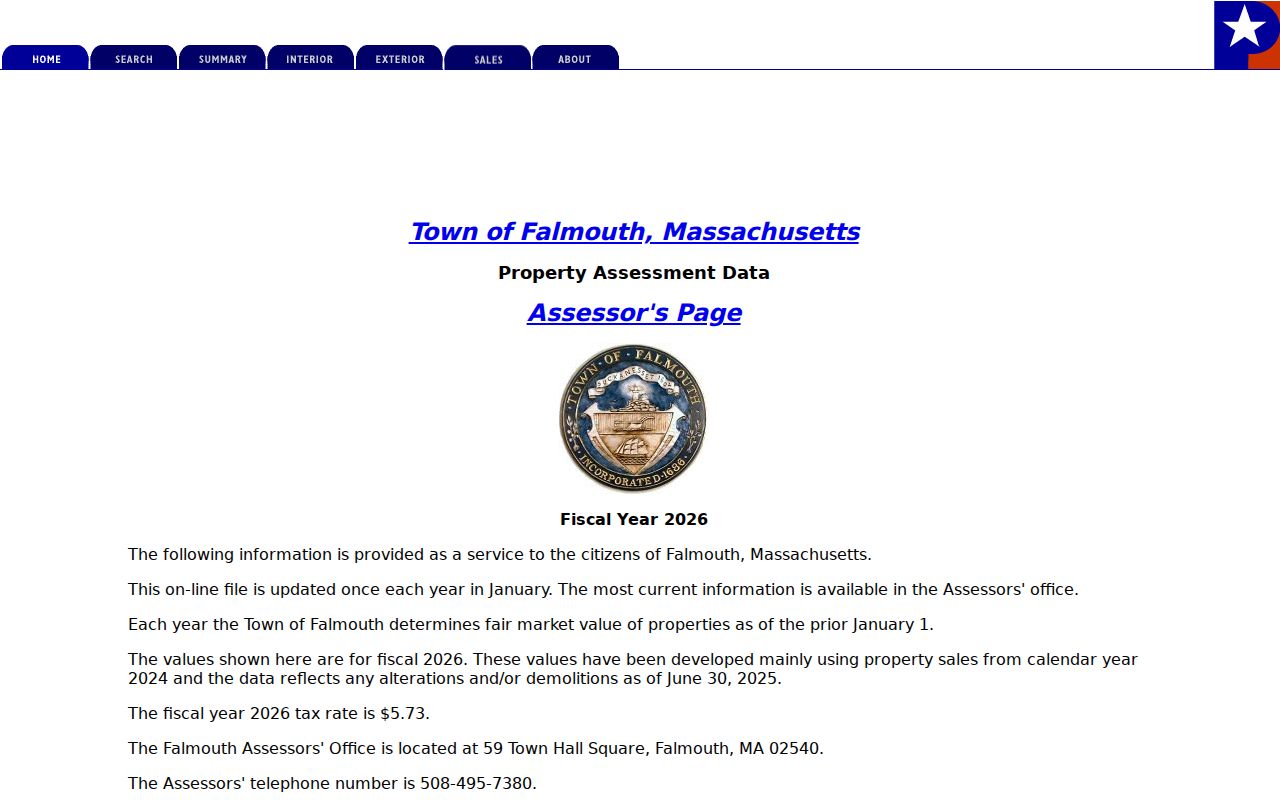
Those filters turn the property roll into a real tool for a Falmouth residents directory search. Still, confirm title or occupancy with a second source before drawing conclusions.
Falmouth Voter Status Has Narrow Results
The Secretary of the Commonwealth offers an individual voter-status form. It is not a browseable residents directory. You must supply a first name, last name, full date of birth, residential ZIP code, and an agreement checkbox. Nothing comes back before that. Under M.G.L. c.51 §64, a match reports registration or pre-registration status, active or inactive standing, the polling place, and elected officials. It does not open a biographical profile. Nothing here works as a people finder. If a recent registration seems missing, the state suggests trying a former ZIP code. It also suggests contacting local election officials after the normal registration lag.
A dated local voter-list request is the other channel. Falmouth's Town Clerk handles that public list, with exclusions for confidential voters and protected fields. Ask for an existing record, a time period, and a format. Do not ask the office to compile an answer for you. The statewide voter file itself is not an ordinary public download. That limit keeps the local record meaningful.
Barnstable Deeds Extend Falmouth's Trail
Barnstable County property records reach back to 1742, and Land Court records begin in 1898. That runway is long. The Registry of Deeds puts nearly all indexes and images online. Exceptions cover very old material and some oversized plans. A Falmouth name can appear on a parcel, an estate document, or a historical address. It can often be traced far back. Treat the deeds as a title trail. They are not a roll of everyone at an address.
Massachusetts indexing is name-based. The Registry does offer address searching. It is only a convenience, and the Registry says so plainly. Address results are not the official index. Start with the current owner or a WebPro book and page reference. Check grantor and grantee spellings. Then read the recording date, legal description, document type, and the image itself. Free viewed images carry a not-official-copy overlay. A clean PDF costs $1 per page. The Registry's published card convenience charge applies when relevant. The Registry search portal is the official source for these records.
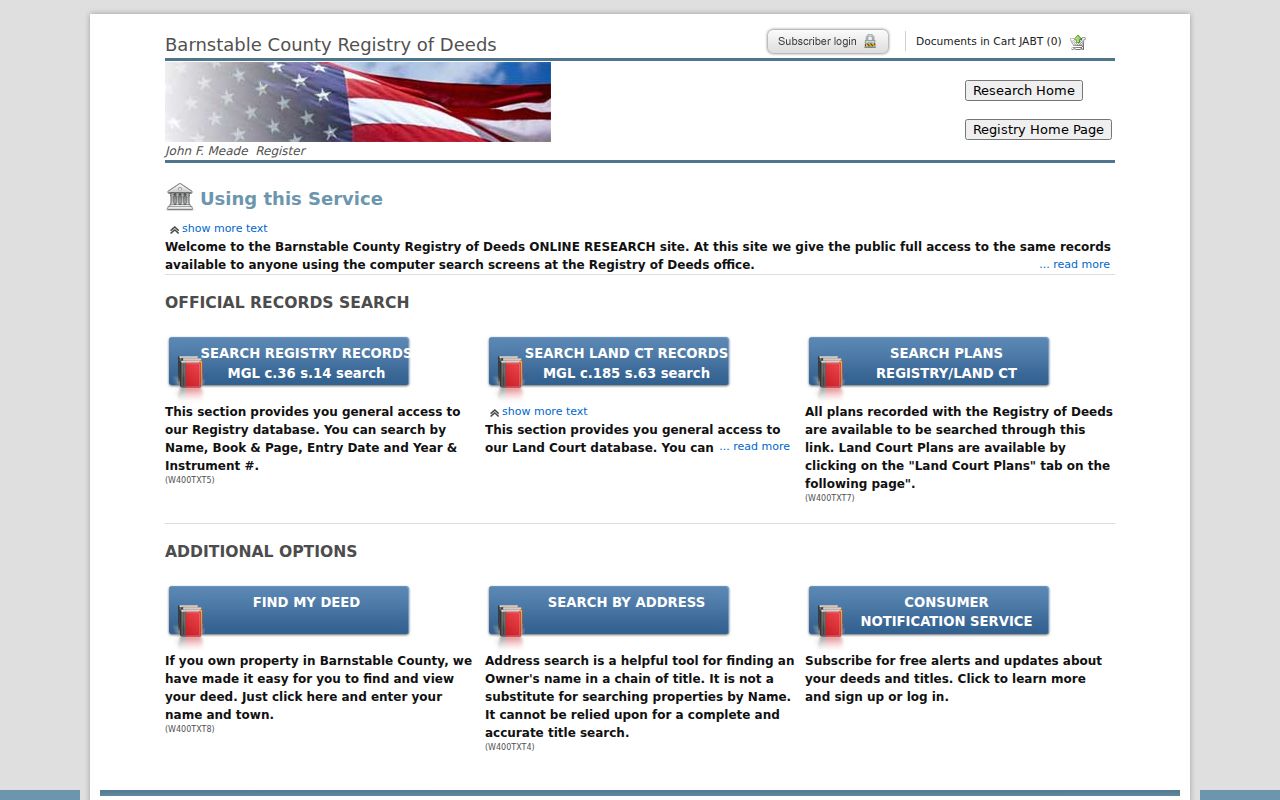
A matching deed can still connect names and a parcel across the years. The legal description and the recorded parties remain the proof worth inspecting.
Current Falmouth Resident Directory Sources
A few current sources in Falmouth behave like a residents directory. Each serves a different purpose. Property data names an owner of record. Voter rolls list eligible registered voters, though access rules apply. A deed index shows who signed recorded instruments. Business and professional filings can verify a credential. But a business address never proves where someone lives. So match the source to the question. Ownership, registration, a recorded transaction, or a historical tie.
| Falmouth source | Record role | Custodian | Access channel |
|---|---|---|---|
| Assessing WebPro | Owner and parcel relationship | Falmouth Assessing | Free town portal and office |
| Local voter record | Registered voter fields that are public | Falmouth Town Clerk | Specific public-record request |
| Registry public access | Grantors, grantees, and recorded interests | Barnstable Registry | Free index and viewing images |
| PermitEyes | Owners, applicants, and address history | Town departments | Public portal and email fallback |
| State license checks | Licensee identity and status | Massachusetts boards | Official state lookup |
To verify one named person without rebuilding a street-by-street trail, use the staged checks on the Falmouth resident lookup page. Dates and roles matter. A party to a deed, a voter, an officer in a filing, and a parcel owner are different kinds of evidence. Weigh each one before drawing a conclusion.
Falmouth Permit History by Address
A permit trail can tell you when work happened at a Falmouth parcel. The Falmouth PermitEyes public view opens that trail without a login. Its public modules cover building, health, conservation, planning and historic, and ZBA records. Search results can list parcel number, street number and name, owner, and applicant. Results may also show application and issue dates, permit type, status, inspections, certificate of occupancy, a brief description, and attachments. Treat the applicant as a record role only. It is not proof that anyone lived there.
The health module has one local cutoff worth knowing. Many health records date from before August 8, 2022. For those, the town sends requesters to health@falmouthma.gov instead. So pair the portal with the agency fallback. A records access officer will want the address and the date range. The officer will also want the permit or inspection record you are after. Note: a permit sequence dates the work at a parcel, not the residents.
Falmouth Court and Vital Record Checks
Court dockets and vital records answer to separate custodians. Massachusetts Trial Court Case Access lets you filter by department, division, location, name, case type, case number, and date filters. A visible docket can display party, case, event, and disposition details. The clerk or register keeps the official file. Sealed, juvenile, impounded, adoption, abuse-prevention, and harassment material is not a dependable remote source.
The Falmouth Town Clerk issues birth, marriage, and death certificates. You can request them in person, by mail, or online. Local certificates cost $10. Certified historical vital records from 1841 through 1935 come from the Massachusetts Archives at $3. RVRS handles 1936 forward. Birth and marriage restrictions, adoption rules, and death-SSN limits still apply. Remember that a marriage record follows where the license was obtained. That may not be the ceremony town. These records confirm events. They cannot fill every gap in a Falmouth residents directory.
The MassCourts public search serves as one example of a separate name-verification channel.
Falmouth names repeat across generations. Use court identifiers, location, and filing dates to narrow same-name matches first, then ask the clerk about the eligible public file.
Falmouth Library Research Since 1792
The Lemcke Reference Room at Falmouth Public Library does double duty as a lending shelf. It is also the town's local-history hub. Its shelves hold real depth. The 1900 and 1903 Bourne, Falmouth and Sandwich directories sit there. Blue Books from selected years between 1908 and 1937 sit there too. A Falmouth Street List runs from 1980 forward. Newspaper files, high-school yearbooks, Sanborn maps, town reports, oral histories, and genealogy databases round out the collection. A reference librarian can steer you to the right volume. Falmouth Genealogical Society volunteers staff the room on Tuesday afternoons and help visitors at no charge.
Preservation work here has a long arc. Documents back to 1792 were rebound and digitized through a Community Preservation Fund project. The FY2025 town report also notes a $7,500 LSTA grant. It will plan preservation of important library materials and documents. Digitization grows each year. Still, not every volume or page is online yet. The library's microfilm stays part of any serious research trail. So does its local staff, through Falmouth records.
The Falmouth Public Library special collections page describes this local-history collection. Its directories, Street Lists, newspaper runs, and maps offer dated evidence. No current residents directory portal can match it.
Falmouth Safety Records Have Separate Rules
Safety records follow their own rules in Massachusetts. The Sex Offender Registry Board runs a separate public-search system. It works differently from a Falmouth residents directory or any resident lookup built from city records. What you can see depends on how the Board classifies a person. It also depends on the use conditions it publishes. A result from that registry speaks only to registry information itself. It does not confirm where someone lives now, and it is not an identity check. Go to the Board's own source for answers rather than guessing from a missing result. Absence in a registry search never proves anything about a person or a street directory entry.
The Massachusetts Sex Offender Registry Board information page is the official source to use.
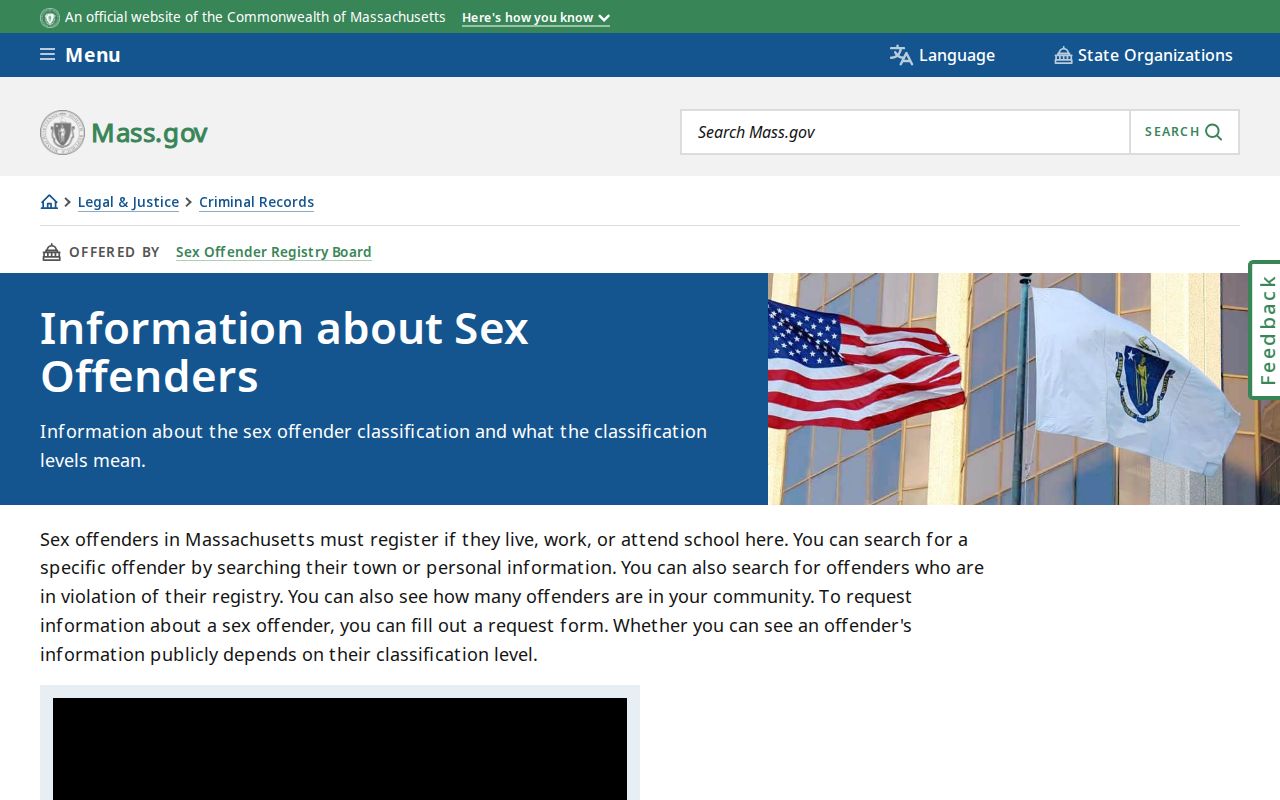
The Board's classification system and use warning explain the limits plainly.
When Falmouth Records Need a Request
Massachusetts Public Records Law, M.G.L. c.66 §10 and M.G.L. c.4 §7(26), opens a path to records. It covers records held by the right agency. Falmouth must supply access or copies. Otherwise it must give a written delay or denial reason within 10 business days. The office does not have to research or build a new analysis for you. Name the record instead.
A strong request lists the department and the subject. It also gives a date range and your preferred delivery. Falmouth's online form collects contact details and a description. It gathers delivery method, an electronic signature, and a CAPTCHA too. Unsure of the department? The form says pick Town Clerk, and staff will forward it.
Fees follow state guidance. The first four labor hours are generally free. After that, labor, copying, postage, and authorized redaction may add cost. A denial can go to the Supervisor of Records within 90 days. The Falmouth public-records request form lays out every field a targeted request needs.
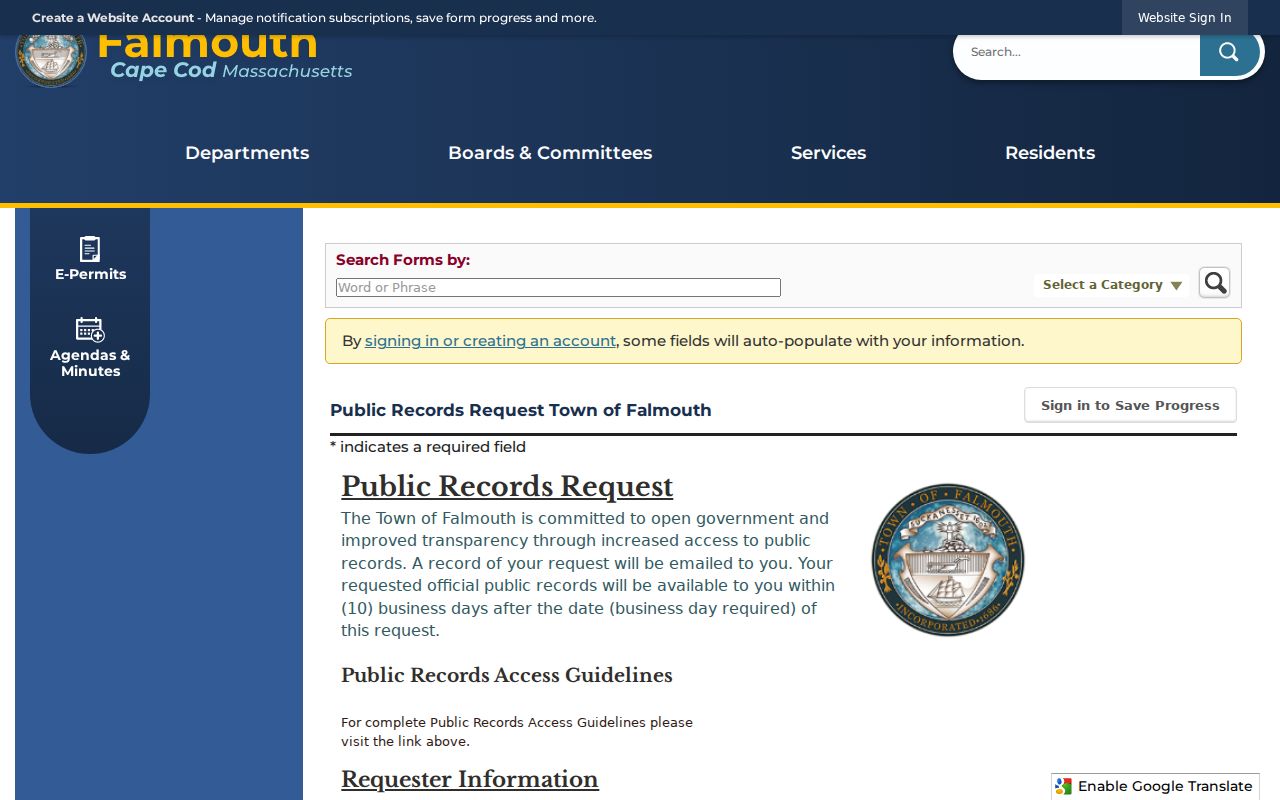
A well-drawn request lets the proper Falmouth custodian pull an existing record fast. That matters, because a portal gap is never proof a record is missing from the town's files.
Historical Falmouth Resident Directories
Falmouth's historical directory trail mixes strong runs with real gaps. The Bourne, Falmouth and Sandwich directories survive for 1900 and 1903, and digitized metadata describes the 1903 A. E. Foss & Co. volume. State Library and NARA references add 1908, 1926, and 1929. Blue Books cover selected years from 1908 through 1937. The library's Falmouth Street List then begins in 1980. Remember, a seasonal Blue Book is not a year-round census, and a missing year is simply a missing year.
Work both parts of a volume when they exist. The alphabetical section finds a name; the street section finds neighbors on a block. Preserve the volume's abbreviations, then pair each entry with a census record, deed, obituary, yearbook, or map for confirmation. Falmouth Enterprise runs from 1896. High-school yearbooks start in 1931. Sanborn maps cover 1901, 1906, 1914, 1923, and January 1930 through September 1942. Collection locations, access limits, and reading methods sit on the Falmouth city directory page.
- Parcel
- An assessor identifier for a piece of land, useful for connecting WebPro and GIS records.
- Index
- A finding tool that points to a record; it is not always the official image or certified copy.
- Grantor and grantee
- The parties named in a recorded transfer, generally the giver and receiver of an interest.
- Street List
- A dated local list arranged around addresses or streets, which must be read with its own access rules.
Falmouth ZIPs and Villages Need Cross-Checks
A postal label is a shaky stand-in for a town line in Falmouth. The county's own material lists Falmouth with 02540 and 02541, Falmouth Heights with 02550, Hatchville with 02551, North Falmouth with 02556, Silver Beach with 02565, Teaticket and Wequoit with 02536, West Falmouth with 02574, Woods Hole with 02543, and East Falmouth with 02636. USPS ties ZIP Codes to delivery points rather than town limits. MassGIS ZIP polygons, meanwhile, are approximate rather than official delivery maps.
Check any single address through USPS first. Then work with the street, parcel, and village form the Falmouth record system relies on, and lean on the legacy GIS for property, precinct, historic, flood, zoning, marine, and aerial context. The Registry stays the source of record for title. Note: a Falmouth mailing last line, a parcel situs, and an owner's mailing address can all rest on different keys.